As a digital learning facilitator in a bilingual international primary school, I’m noticing how much AI is used outside school that we don’t always see.
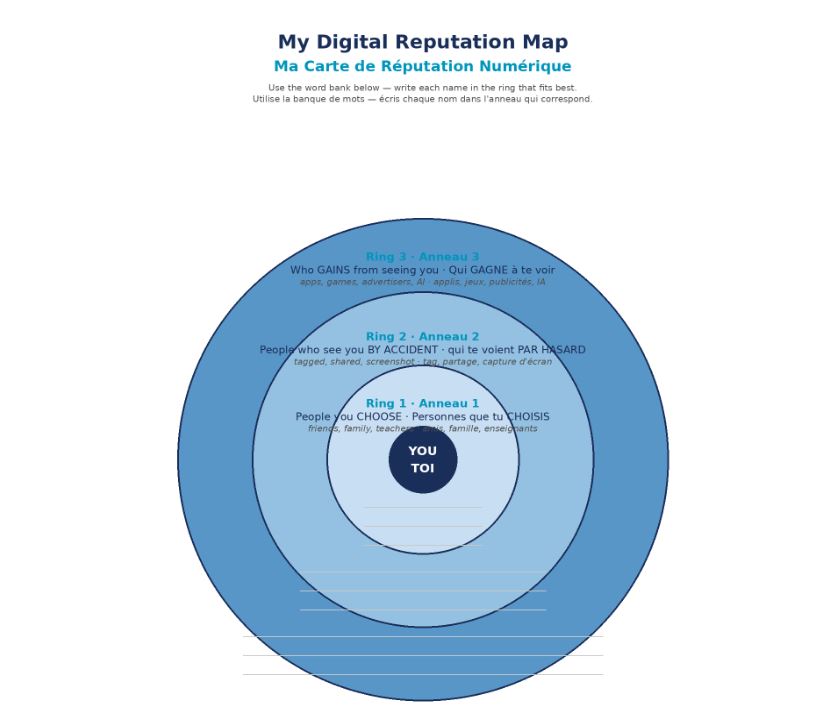
In Year 4, I put the students in a circle and give them a piece of string to hold. The string is the internet. I create a picture of a child their age. In the scenario, a student takes a picture of a friend at a sleepover or a play date and shares it in a private message without asking. I give a copy to the student next to them, and they share it with the next student and the next student. Before long, everyone has a copy.
I mention it to them, a parent complains, and the student is told to delete the picture. I take a pair of scissors and cut the string on both sides of the student who originally shared it. They’re disconnected. All the other pictures are still out there. What happens to the copies other people already have? We talk about our responsibility when we take a picture and when we decide to share it. Someone once told me, “The internet is written in ink, not pencil.”
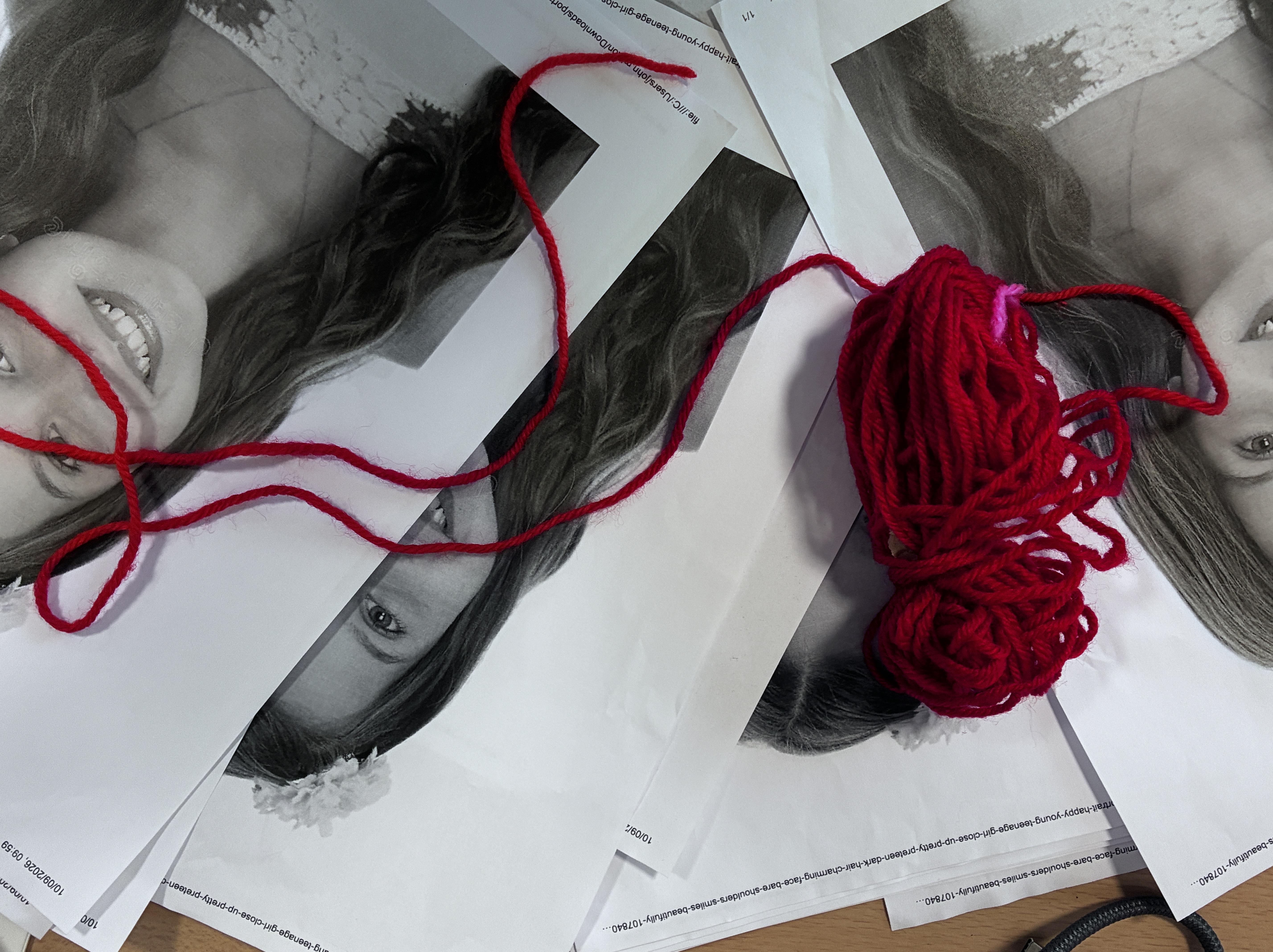
I use Your Rings of Responsibility from Common Sense Education across primary and adapt it for their age. It’s a helpful entry point for talking about responsibility online and identity within a family, school and community.
Sometimes it’s a child hearing a parent ask Alexa a question or seeing someone interact with a chatbot at the dinner table. Sometimes it’s an AI toy that talks back. And sometimes it’s the children themselves coming across AI in a game they already play.
How do young children think their identity is formed in this context? Who influences their identity? Hearing how teenagers talk about AI in Dr. Emily Weinstein’s work at Nearfield Listening Lab made me think about my own work with younger children.
In Year 5, we focus on trust using Mike Caulfield’s SIFT method in a Common Sense Education lesson. As students start their research and look at AI summaries, we pause, think and check other voices and sources. How do we decide if we can trust what we’re reading?
In Year 6, we come back to the rings and focus on digital reputation. We start with what they know at school. There’s a school email. You have a class Chromebook. You’re associated with a teacher. Then we talk about where they go outside school, like YouTube, Minecraft or Roblox.
We use My Digital Reputation Map. It puts you in the middle, with three circles around you. I ask the students to think about what they control and what they might not see.
- People you choose. Who do you choose to connect with or share with, like friends and family?
- People who see you by accident. Who might see you when someone tags you, shares something or takes a screenshot?
- Who gains from seeing you? We talk about apps, games and advertisers, and things we don’t always see, like algorithms and tracking.
I talk about Spotify and TikTok, and they talk about YouTube. I ask where they might be experiencing tracking. YouTube usually comes up, along with their game consoles and sometimes Netflix. We talk about how what they’ve watched can influence what gets suggested next.
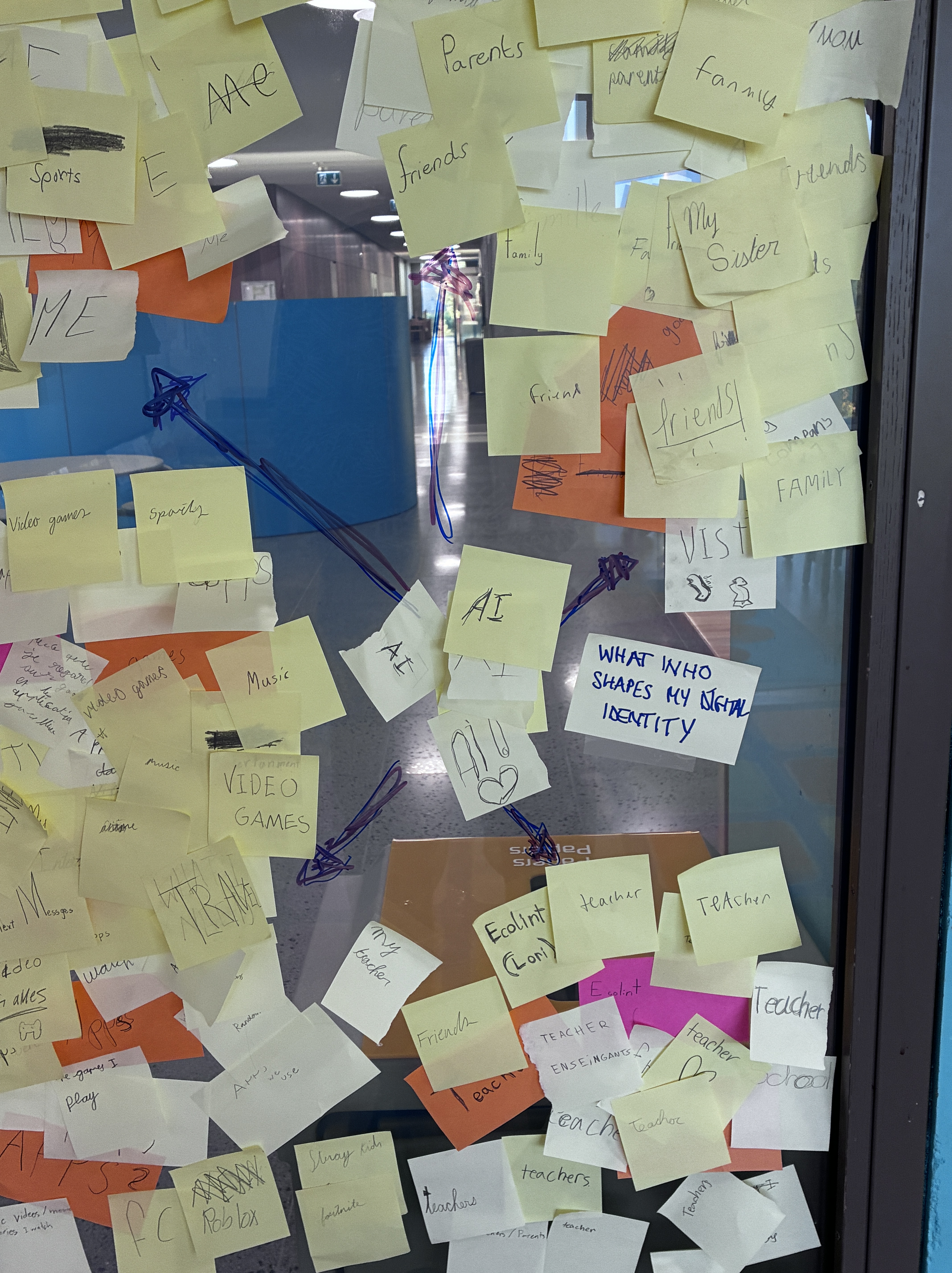
On five or six Post-its, the children write down what they think influences who they are based on the three rings we talked about. Family is so often the biggest connection. Then you notice friends, the apps they’re on, the companies, the games they play and the videos they watch. Some start talking about AI too, from talking to Alexa to coming across a chatbot in a game.
What I am slowly witnessing is how early children start to make these connections themselves. They’re being exposed to AI early, and it’s often harder to see. What’s the difference between talking to a person and interacting with an AI that seems like it has feelings and empathy? How do they tell the difference, especially when it feels like they’re being listened to?
I’m questioning how much agency students have if they get used to asking AI what to think before they’ve had a chance to think for themselves. Young students need time to think things through, deal with challenges, turn to their own problem solving and then maybe decide to ask AI for help. It can be frustrating when we ask them to stay with a question a little longer, dig deeper and persist. I think adults struggle with this too, if we’re honest with ourselves.
Starting young is essential. We need to make space for critical thinking and problem solving to become habits, in small bits and pieces throughout primary school, as AI becomes part of our students’ world, often invisible, but there.
Sources
- Listening Library, Nearfield Listening Lab
- Your Rings of Responsibility, Common Sense Education
- How to SIFT with AI, Common Sense Education
- AI in the Toy Box, Common Sense Media
- How YouTube recommendations work, YouTube Help